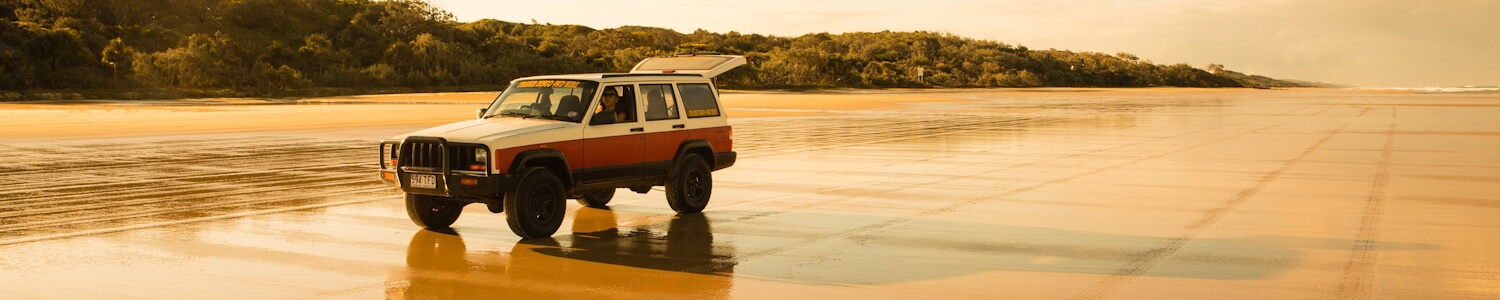

Toyota Probox GL Station Wagon Petrol Hybrid Cars
The Toyota Probox GL Station Wagon Petrol Hybrid is an exceptional choice for Australian drivers seeking a reliable, fuel-efficient vehicle suited to both urban environments and regional roads. Known for its practical design and versatility, the Probox offers a spacious interior with ample cargo capacity, making it ideal for families, small businesses, or those who require flexible storage options in day-to-day use.
Under the bonnet, the Probox GL Hybrid features a petrol-electric powertrain that combines a 1.5-litre petrol engine with an electric motor, delivering smooth and responsive performance while maximising fuel efficiency. This hybrid setup is particularly advantageous in Australia's diverse driving conditions — whether navigating city traffic congestion or cruising along long country highways. The regenerative braking system also helps improve energy recovery during stop-and-go driving common in Australian urban centres.
Measuring approximately 4.2 metres in length and offering generous headroom and legroom, the Probox accommodates five passengers comfortably. Its utilitarian station wagon body style boasts flat-folding rear seats that enhance cargo volume flexibility to transport bulky goods or luggage on longer trips.
Safety is paramount for Australian motorists, and the Probox GL Hybrid comes equipped with essential features such as multiple airbags, anti-lock braking system (ABS), electronic brakeforce distribution (EBD), and stability control – all designed to maintain control on varied road surfaces often encountered across Australia's regions.
With right-hand drive configuration suitable for Australian roads and excellent reliability backed by Toyota’s renowned service network nationwide, the Probox GL Station Wagon Petrol Hybrid delivers economical running costs combined with practical space usage. It is an ideal companion for city dwellers facing frequent traffic stops as well as rural Australians needing a robust vehicle capable of handling daily demands under Australia’s unique climatic conditions.